
How Rice Becomes Sake

Japanese sake starts with a simple ingredient: rice.
But the way that rice is transformed into sake is what gives this drink its unique flavour, texture, and versatility.
If you’re new to sake, understanding the basics makes choosing a bottle much easier and more enjoyable.
It All Starts with Rice
Sake is commonly brewed using special “sake rice”. Unlike everyday table rice, specialised “sake rice” features a dense starchy centre particularly suited for brewing. While table rice is a viable alternative, it is this unique starch concentration that allows brewers to precisely cultivate the flavour and body of the final sake.
Before brewing begins, the rice is polished to remove the outer layers. This step plays a big role in shaping the style of the sake.
Why Rice Polishing Matters
A lower polishing ratio yields a refined, aromatic profile, while a higher ratio preserves the rice's natural complexity and umami.
This is why sake comes in many styles. While some varieties are fragrant and delicate, others provide a fuller body and greater versatility for food pairing. The polishing ratio is a measure of style and character, not a measure of quality.
For beginners, balanced styles are often the most accessible starting point.
Water Is Just as Important
Rice may be the star, but water is the foundation.
Water is added multiple times throughout the brewing process. It forms the base of fermentation, helping yeast work steadily and cleanly. After fermentation, some sake is diluted slightly with water to adjust the alcohol level and balance.
In fact, sake is roughly 80 percent water. That’s why breweries carefully protect and select their water sources. The mineral content and purity of the water directly influence the final flavour, from softness to structure.
Koji and Fermentation
After polishing, the rice is steamed and mixed with koji, a mould that converts starch into sugar. Yeast then turns that sugar into alcohol.
This process gives sake its smooth texture and layered flavour, and is one of the biggest differences between sake and other alcoholic drinks.
From Brew to Bottle
Once fermentation is complete, the sake is pressed and prepared for bottling. Some styles are filtered and pasteurised for stability, while others are bottled fresher for a more lively character.
Each choice affects how the sake tastes and how it’s best enjoyed.
If you’re new to sake, don’t overthink it. Start with smooth, balanced styles that are easy to enjoy. We’ve picked a few to help you get started.
Kizakura Daku Cloudy Sake

Daku means “cloudy” in Japanese, and cloudy sake—known as Nigori—is all about tradition with a twist. Made using an unfiltered brewing method, it delivers a lush, semi-sweet flavour and a fruity aroma that’s perfectly balanced, thanks to Kyoto’s famous soft water, Fushimizu.
Best enjoyed chilled or over ice in your favourite glass, Daku is a fresh and easy way to savour sake like never before.
Azumacho Maruhei Blue

This honjozo sake is crafted using rice from Saga Prefecture (including Reiho) and the traditional three-step brewing method, without the use of any sweeteners or enzymes. Brewed with No. 9 yeast, it offers a clean, crisp taste and a refreshing finish.
Hyakumoku Junmai Daiginjo
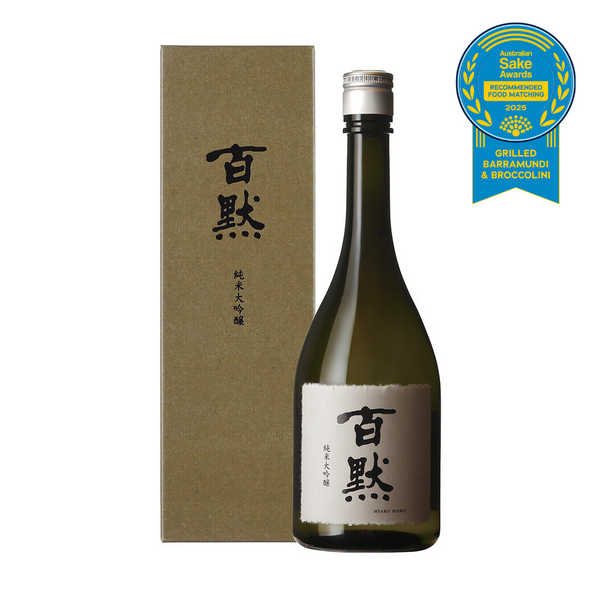
Made with Yamada Nishiki from Hyogo’s Yokawa Special A District, this is the signature sake of the Hyakumoku brand—polished down to 39% for elegance and purity.
It opens with vibrant fruit aromas, followed by layers of refined sweetness, bright acidity, and a clean, crisp finish with a touch of bitterness. Perfect as a first glass, paired with light appetisers like sea bream carpaccio or fresh herb salads.
